Does Cutting Aluminum Foil Sharpen Scissors?
- Review by
- Edge & Pivot Editorial Team
- Last checked
- First published
- Filed under
- Sharpening
No maker or extension source we opened says that cutting aluminum foil sharpens scissors. The sources describe sharpening as working the bevel and removing the burr, and one hair-shear maker lists cutting through foil as a reason to send a shear in for service.
Belongs to the guide: How to Sharpen Scissors: Methods by Blade Type
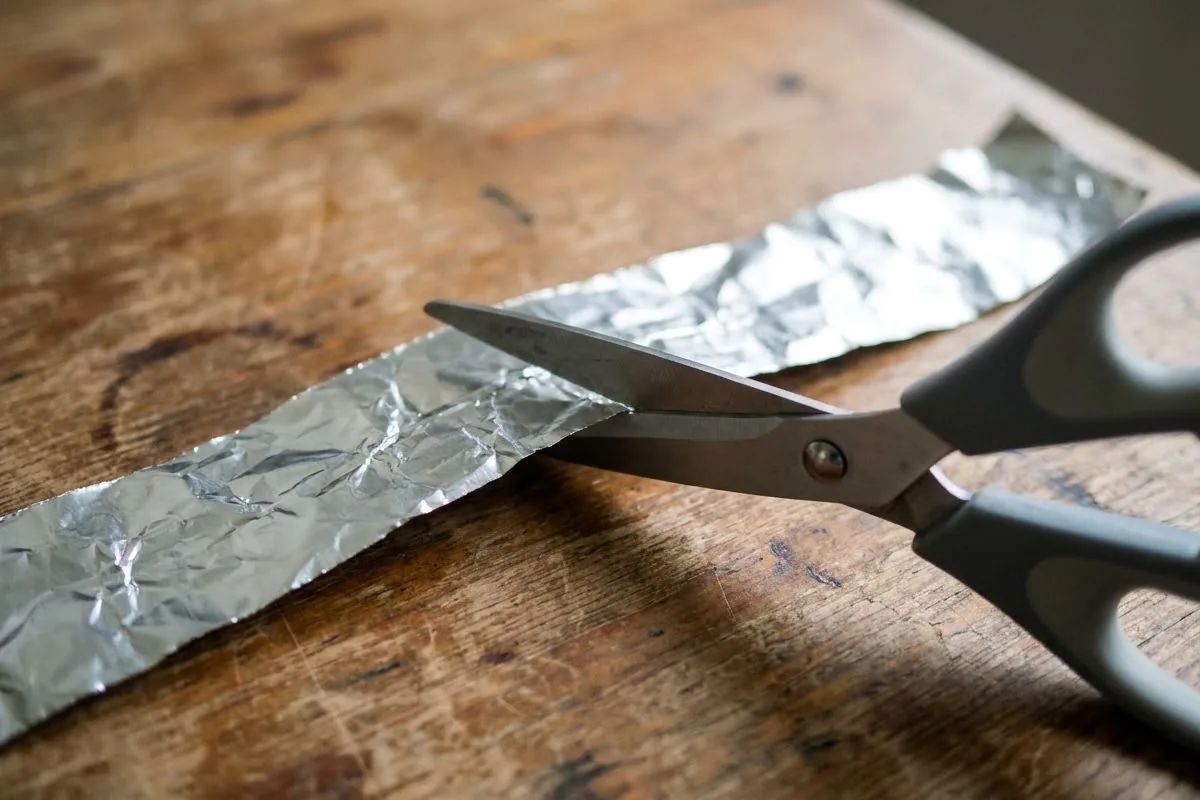
The short answer: nothing we opened says it does. Cutting foil is a popular “hack” for dull scissors, but none of the maker or extension sources we opened recommends it. This page sets out what they say and what to do instead. For the full set of methods, see the sharpening guide.
Safety note. Foil edges and scissor edges both cut skin. This is general information; follow the maker’s instructions for your pair. Reviewed by the editorial desk against the cited sources.
The claim in one paragraph
The claim is that snipping through several layers of aluminum foil sharpens a pair of scissors. Variations say to fold the foil or cut it a set number of times. The appeal is obvious: foil is in every kitchen.
What foil does to an edge
Sharpening and honing are different jobs. In the sources we opened, sharpening means working the cutting bevel with a stone or diamond sharpener and then removing the burr. Honing is a light touch-up of an edge that is already there. None of the sources we opened lists foil as a sharpening or honing material, and no source we opened tests it.
One sharpener maker does say scissors are “self-steeling” and can be honed by snipping the blades together, but its method for a dull pair is still to sharpen the beveled side until a burr forms and then remove that burr. A scissor maker describes the same bevel-then-burr routine.
What makers and extension sources say
- Scissor and sharpener makers. Their guides describe stones, diamond or ceramic sharpeners and burr removal. None mentions foil, sandpaper or steel wool.
- A hair-shear maker. It states that cutting foil or sandpaper does not correctly restore a professional blade edge, and its care guide lists cutting through foil as a reason to send a shear for service, alongside a drop.
- A scissor maker. It points out that dirt build-up or incorrect adjustment can mimic a dull edge, which is the more likely cause of “dull” scissors than a worn bevel.
We found no extension or maker page that supports foil. Treat any tip quoting a number of cuts as unverified.
Foil-style quick fixes: when they help, when they do not
| Quick fix | Source support | Verdict |
|---|---|---|
| Cutting foil | None found; one hair-shear maker lists it as a reason for service | Unverified; skip it on fine pairs |
| Cleaning off residue | Maker guidance | Helpful; often the real problem |
| Adjusting pivot tension | Maker guidance | Helpful; check first |
| Honing by snipping the blades together | One sharpener maker | Light touch-up only |
Better options and links
- Clean and dry the blades, remove adhesive with alcohol or a suitable cleaner.
- Check and adjust the pivot so the blades meet along their length.
- If they still fold material, follow the home routine or sharpen scissors with a stone.
- For fabric and specialty pairs, read the fabric-shears page first, or use a service.
- Not sure? Use the free method chooser.
FAQ
Does cutting aluminum foil damage scissors?
A hair-shear maker advises sending a shear in for service after it has cut through foil, which suggests foil can harm a fine edge. We found no source on plain household pairs, and none that supports the claimed benefit. If a pair is dull, cleaning it and checking the pivot screw comes first, followed by sharpening the bevel at its existing angle.
How many cuts of foil are needed to sharpen scissors?
No opened source gives a number, because none says foil sharpens. Online tips that quote a number of cuts are unsupported here, so we do not repeat one. If the pair is dull, a better use of five minutes is to clean it, check the pivot and, if needed, sharpen the bevel with a stone.
Why do scissors sometimes feel sharper after cutting foil?
We found no source that tests this, so we offer no explanation of why a pair might feel different. One scissor maker does say dirt build-up or incorrect adjustment can make scissors feel dull, so cleaning the blades, checking the screw and then, if the pair still folds material, sharpening the bevel at its existing angle is a better route than guessing.
What actually restores dull scissors?
Clean the blades, check the pivot tension, and if they still fold material, sharpen the existing bevel with a stone or diamond sharpener, remove the burr and oil the joint. One scissor maker says many household pairs can be restored this way, while specialty pairs are better sent to a professional.
Is there any quick fix that is safe?
Cleaning and tightening are the safe quick fixes. Wash off adhesive or residue, dry the blades, put a drop of scissor oil on the pivot and adjust the screw so the blades meet without binding. One maker says dirt or incorrect adjustment can mimic a dull edge, so these steps sometimes solve the problem.
Sources
- Hanzo: How to Clean, Oil and Sterilize Scissors (hanzo.com)
- Hanzo: How Often Should Professional Shears Be Sharpened (hanzo.com)
- Victorinox: How to Sharpen Scissors (victorinox.com)
- Work Sharp: How to Sharpen Scissors (worksharptools.com)
Keep reading
- How to Sharpen Scissors: Methods by Blade Type
How to sharpen scissors: which method suits household, fabric, pinking, hair and garden blades, how to keep the factory edge, and when to use a pro.
- How to Sharpen Fabric Scissors Without Ruining Them
How to sharpen fabric scissors without ruining them: why shears dull, what to check first, home options versus a maker or professional service.
- How to Sharpen Garden Scissors and Pruning Shears
How to sharpen garden scissors and pruning shears: clean first, file or stone the bevel side only, remove the burr, oil, and disinfect when needed.
- How to Sharpen Hair Scissors: Options Explained
How to sharpen hair scissors: why shear edges differ from household scissors, what makers say about service versus DIY, and care that delays dulling.
- How to Sharpen Pinking Shears: What Works
How to sharpen pinking shears: why the zig-zag blades are different, what home sharpening risks, what a maker of sharpening equipment says, and care tips.
- How to Sharpen Scissors at Home: Step by Step
A step-by-step home routine for plain household scissors: clean, sharpen the existing bevel, remove the burr, oil and test cut, plus when to stop.